
Regime Change
Why am I selling one of my favorite cameras

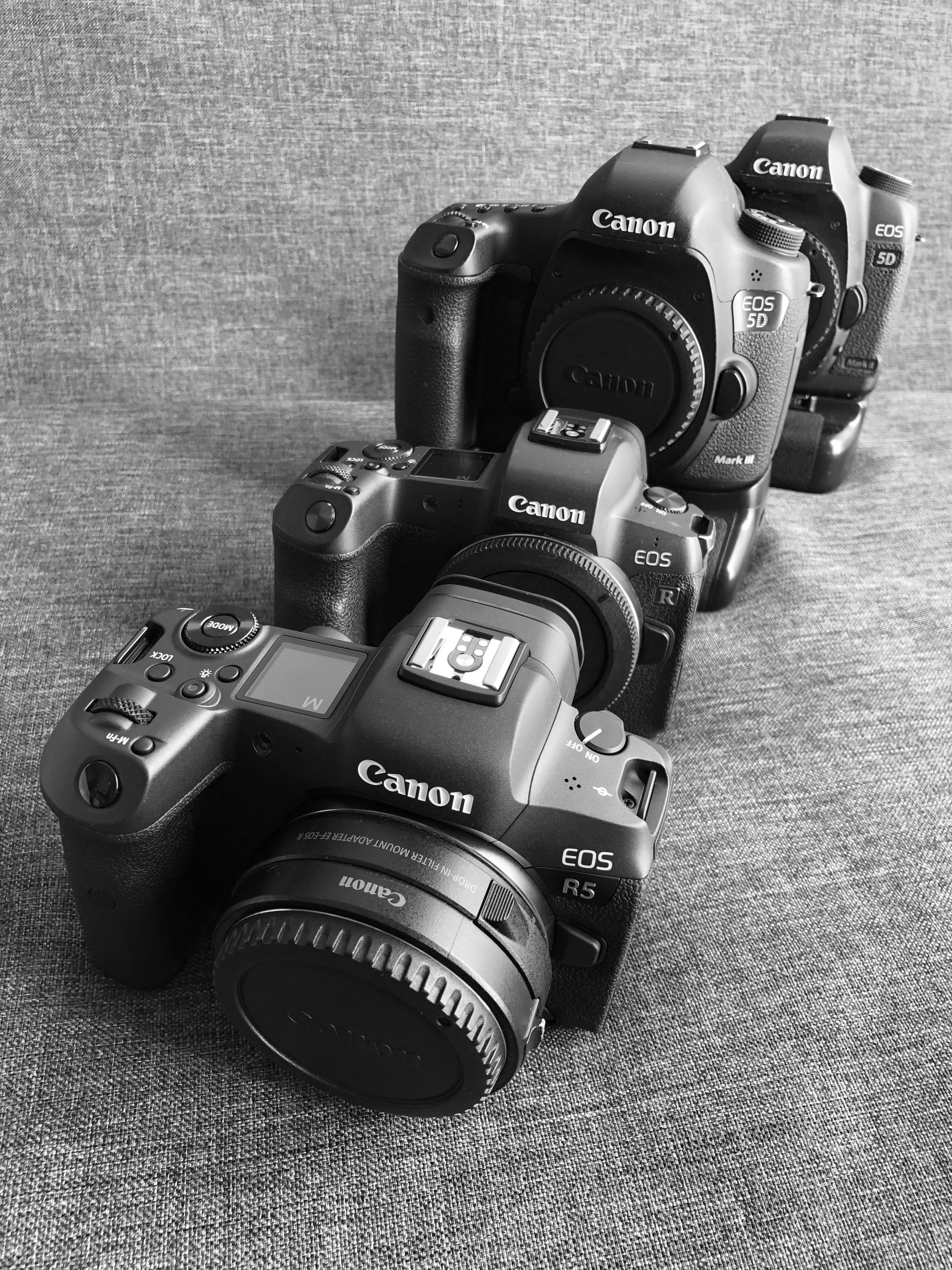
Throughout my photographic journey, the Canon 5-series cameras have often been my go-to. From the film EOS 5 to my start in video with the 5D mk ii, then the professional world of 5Dr, and eventually the mirrorless age of the R5.
The 5 series are prosumer cameras that provide the best return on investment.
However, Canon’s offerings have changed in the last couple of years.
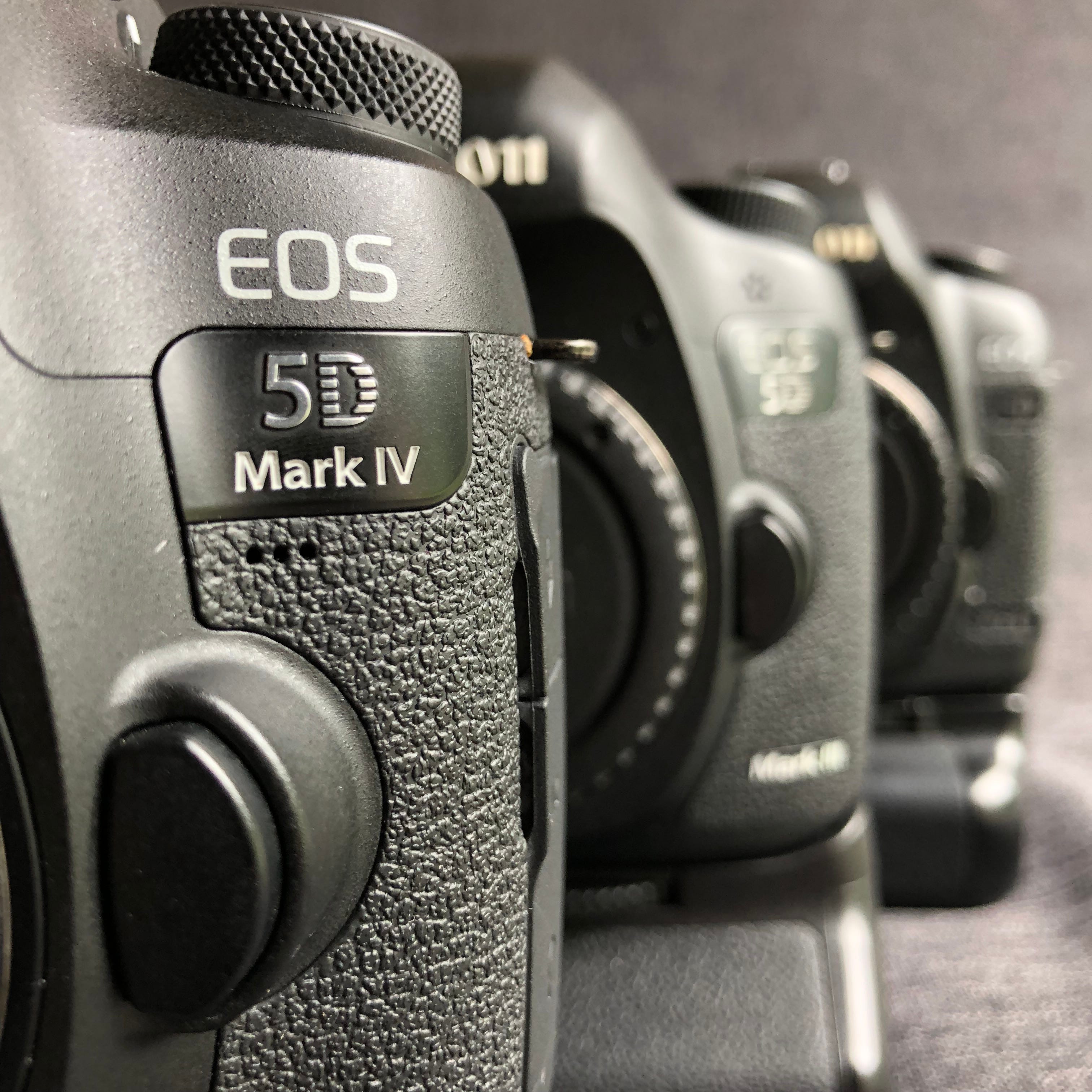
Transitioning from DSLR to mirrorless
It is no secret that Canon was very late to the mirrorless camera game.
So much so that, as a lifelong Canon user, I had to pick up a Sony A7s for my video work when a Canon solution was nowhere to be found back in 2015.
Besides the terrible yellow highlight that cannot be graded out in video, the Sony A7s was the only prosumer camera I owned that started falling apart within two years. By year three, it became extremely unreliable, which was unacceptable in a client environment.
Thus, when Canon announced their first full-frame mirrorless camera, the EOS R, I purchased one at the moment when preorder was opened. Yes, I skipped lunch from a client shoot and waited for the pre-order page to go live on my phone.
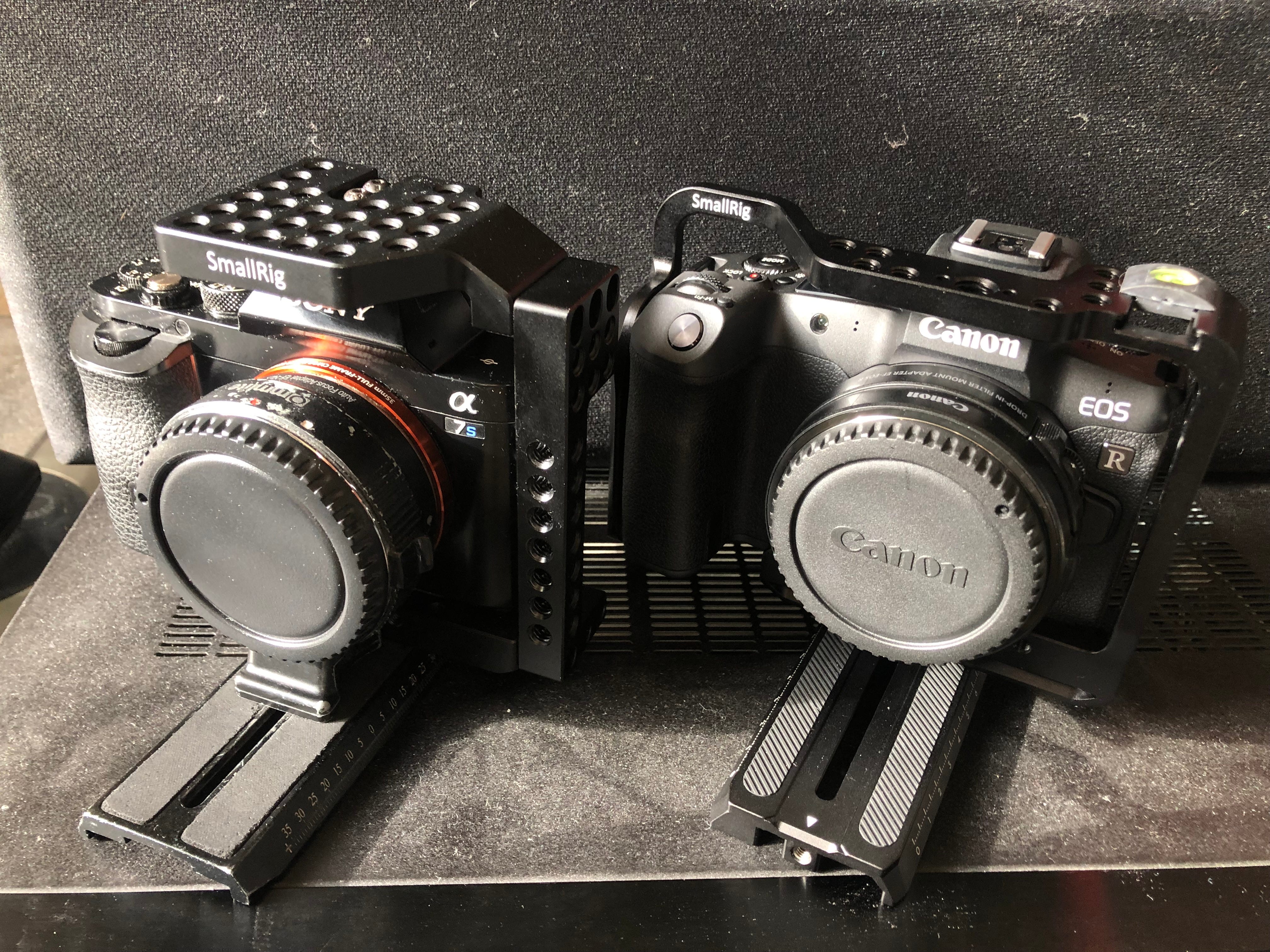
Testing the water
While the EOS R was a promising first full-frame mirrorless camera from Canon, it left much to be desired. The physical button layout needed improvement, and video features could be enhanced.
With Canon committed to the mirrorless market, it didn’t take long to release an evolution of the R. Sony users might say it was still slow since Sony releases a new body every year.
The R5 came to the market in July of 2020, despite the midst of a global pandemic. Due to supply chain issues, I did not receive a unit until November that year.
Immediately, I knew this was the camera Canon really meant to create. A full-featured photo camera with exceptional tracking and an impressive 45-megapixel IBIS sensor. 4K video no longer crops in, and C-log 3 was also available.

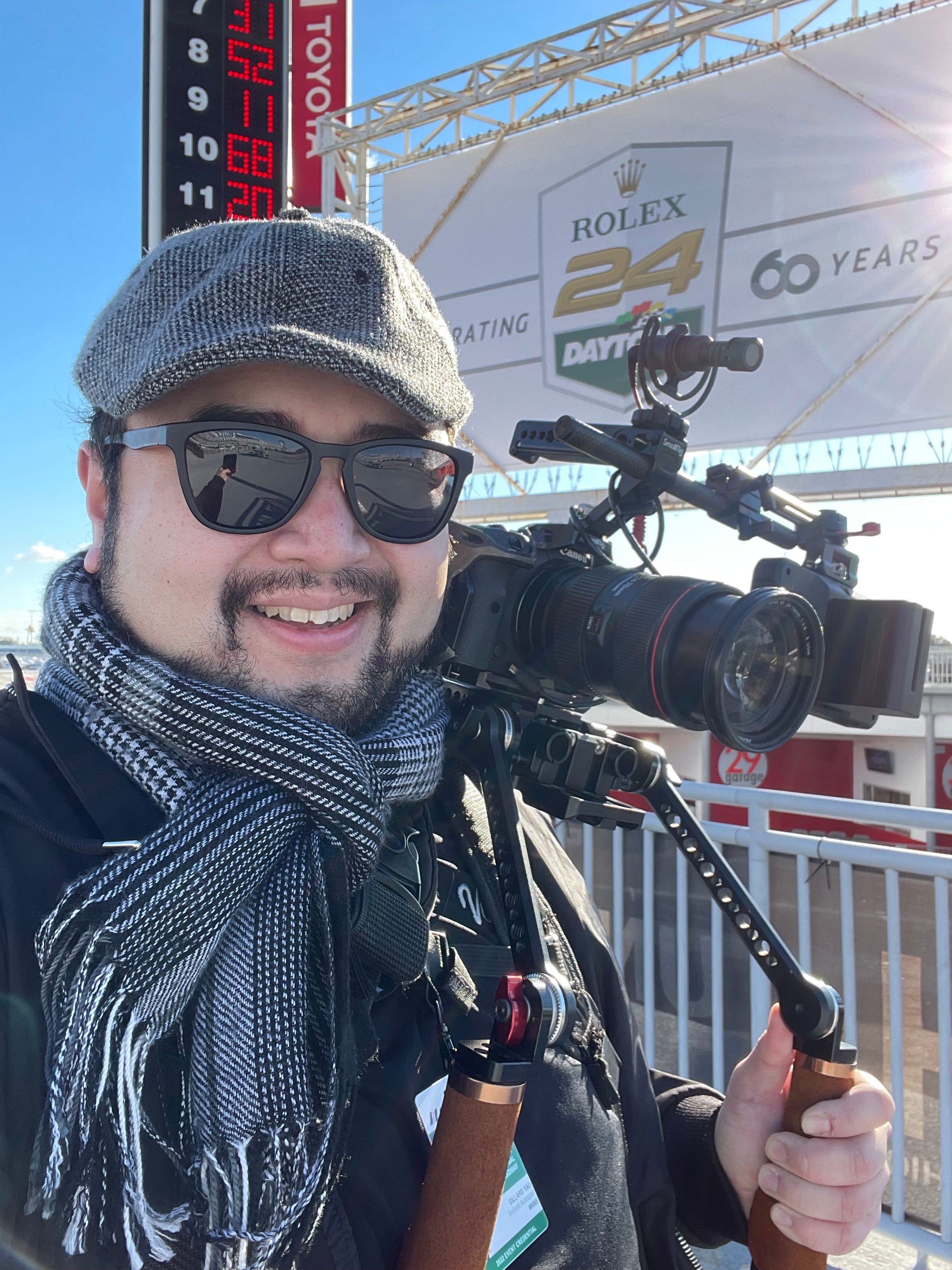
Best thing since sliced bread
One of the most attractive features of Canon mirrorless cameras for me as a videographer was the RF mount. It not only allows adapting Canon’s massive EF lens lineup but also introduces an adapter with a drop-in variable ND filter between the lens and camera body.
This is important because video often requires a 180-degree shutter; using ND filters is a common practice. Placing the VND at the adapter means one less step during lens changes since the filter stays in place. Putting the filter close to the sensor eliminates the common X pattern seen when using VND at the front element.
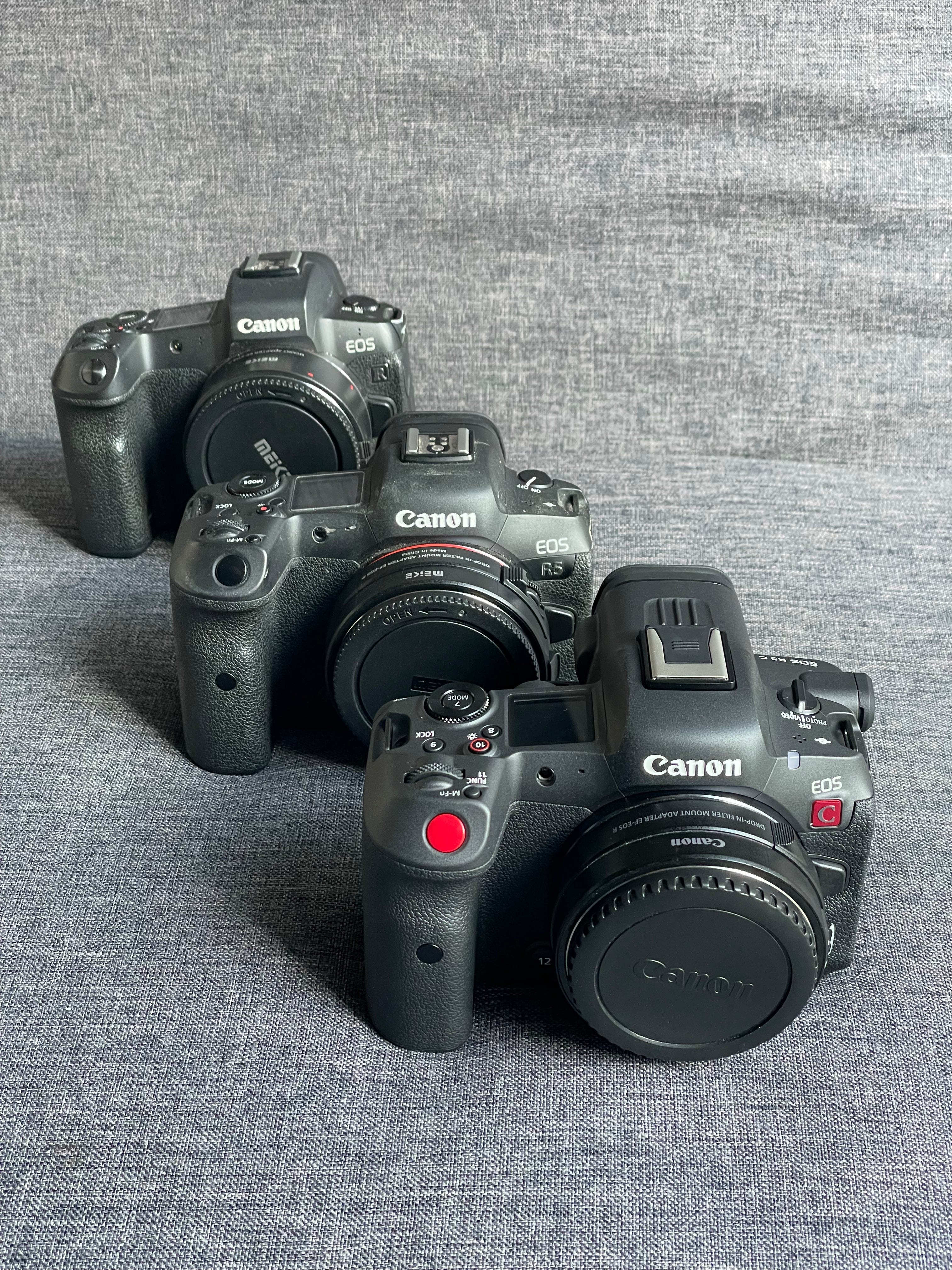
I owns three of these adapters, one for each of my Canon RF mount cameras. Each one with its own VND and clear drop-in filter.
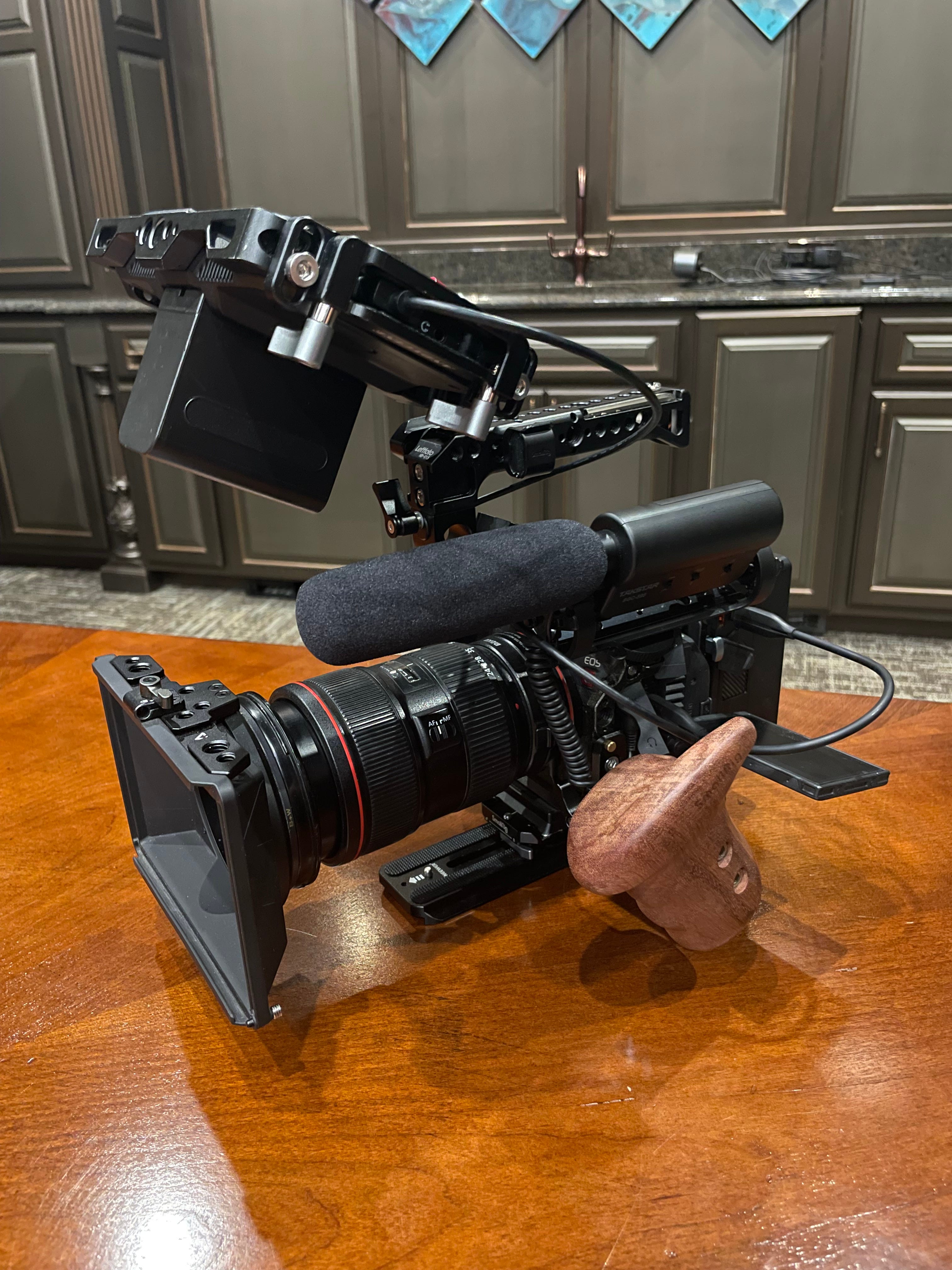
Understanding the market
The Canon 5-series were never intended as flagship cameras; they are the most feature-rich, high-resolution commercial and fine-art cameras in Canon’s lineup. The 1 series is designed for photojournalists and sports applications.
Ever since the 5D mk ii, the 5-series cameras have been embraced by indie and professional filmmakers as serious video tools rather than just photo cameras. Canon took note and further refined the 5D series video features until the mk iv.
The R5 was no exception; it continues the tradition of being a welcoming choice for the video profession.
In 2022, Canon took it one step further by officially placing the R5 in its cinema line with the release of the Canon R5C. By placing the camera in the “C” ecosystem, the camera is now installed with Canon CinemaOS, a stand-alone firmware from the photo operating system.
Life as a hybrid commercial shooter
I have been using my R5 as my main camera and my R as a secondary camera since their launch. I used my R5 to photograph billboard ads and national TV campaigns. Prior to that, my 5D mk iii would be B cam, and the EOS R would be the A cam.
The R5C upgrade was welcome but not urgent. I made the jump two years after its launch and sold my R.
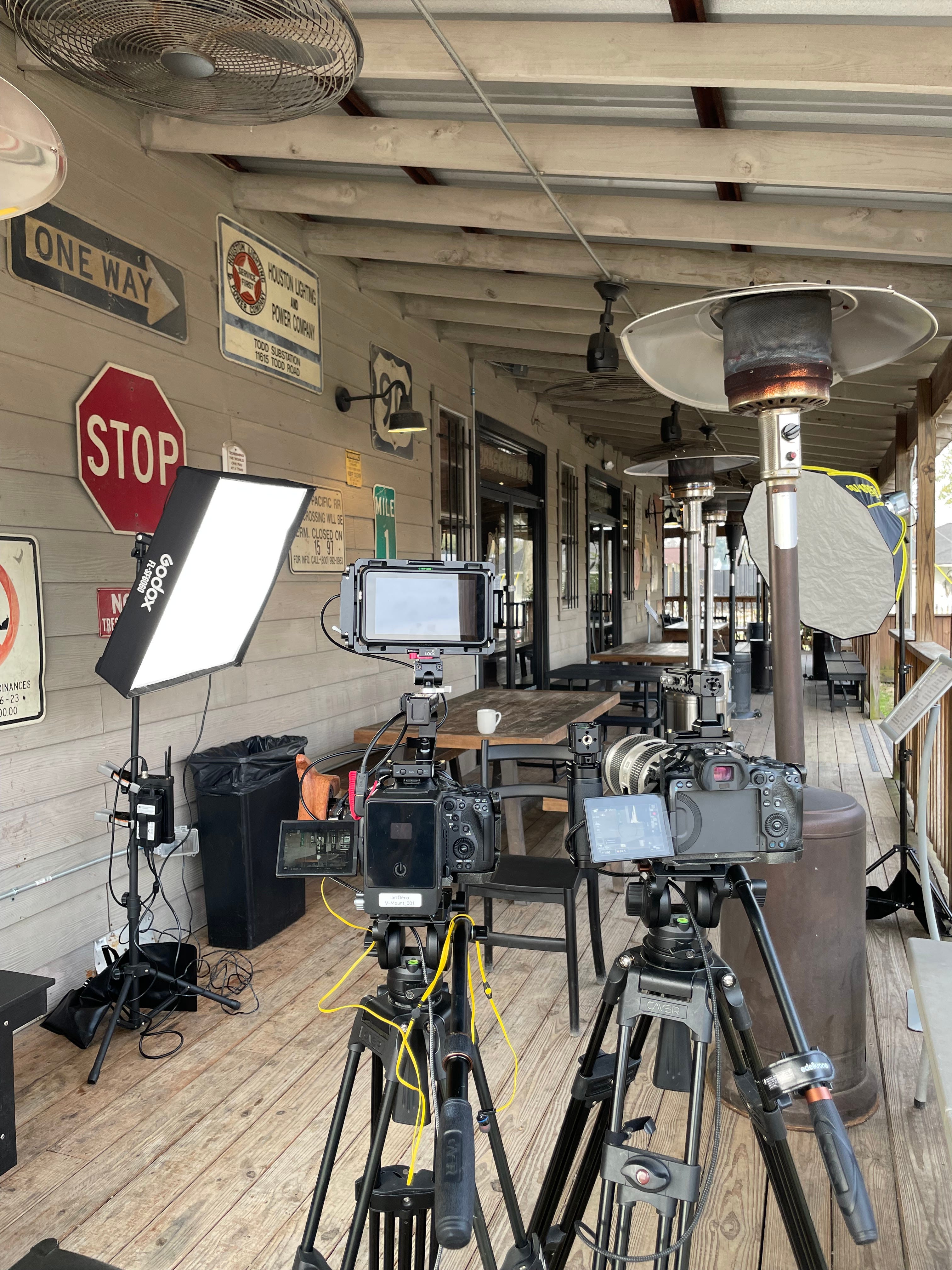
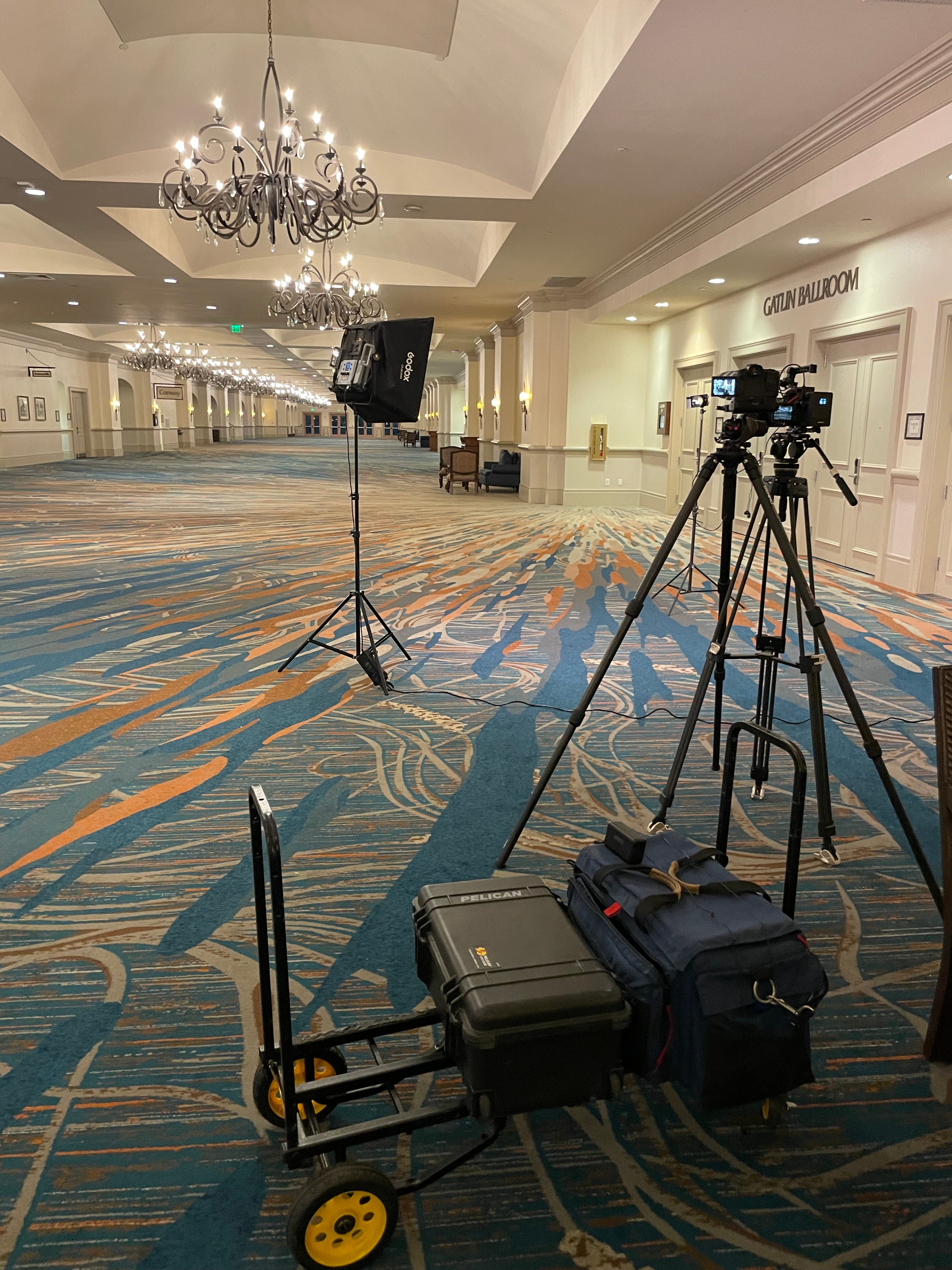
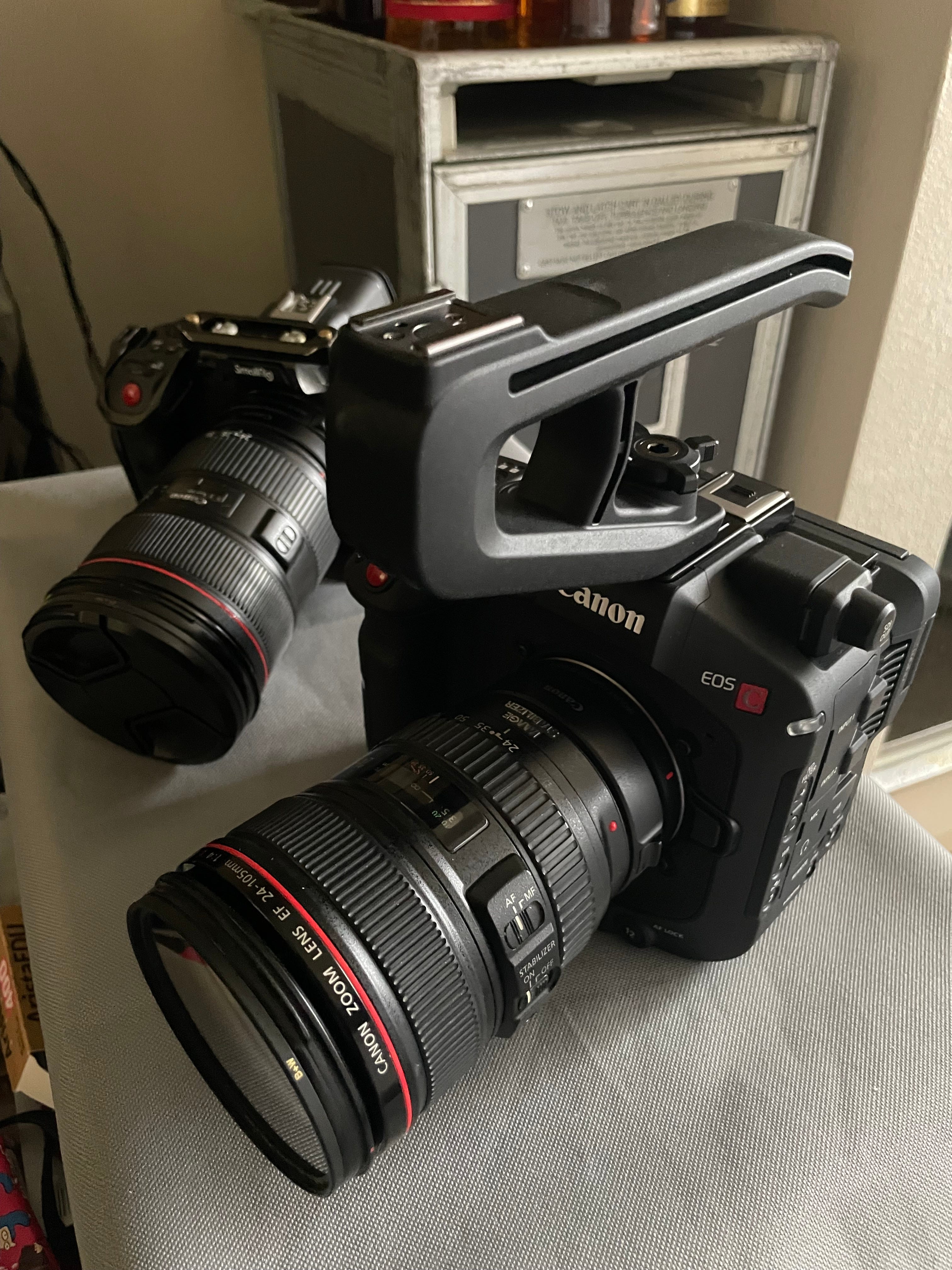
The R5C and R5 have been my work fleet for two years. It is remarkable that these two small bodies could accomplish so much.
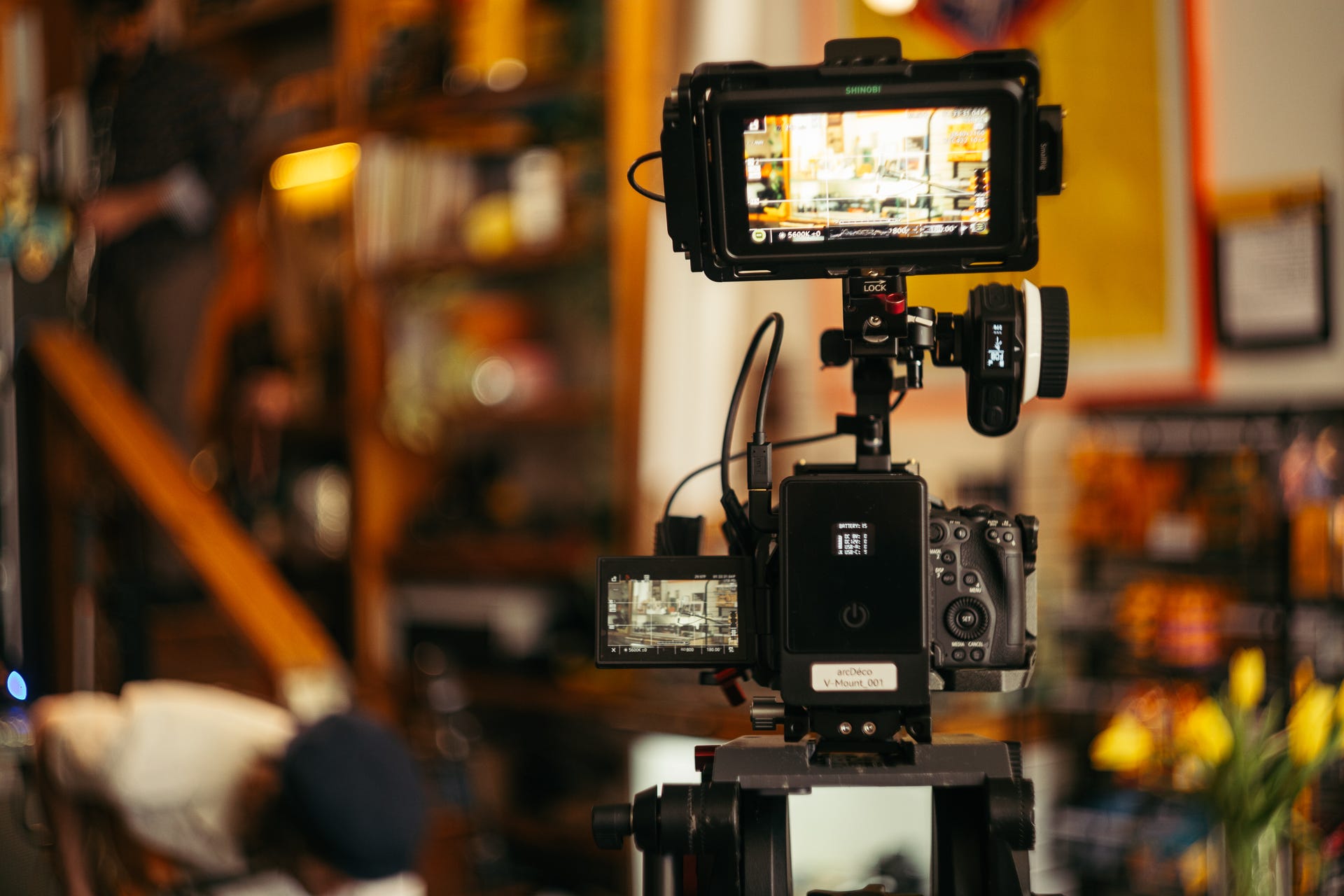
With the R5C at the helm as my primary camera, I have all the professional monitoring tools I need to achieve the accurate image I am after.
Nonidentical twins
However, there is one problem with recording video between the two cameras.
Both cameras feature the same 46-megapixel full-frame sensor and support C-log 3, recording in 10-bit 4:2:2 at 4K UHD. Somehow, the R5 yields a much more vibrant image even with the flattest setting.
Grading the image can get it close, but never exact. The R5C file contains more color depth despite identical camera settings.
This year, I have signed on to work on a documentary show, and I would like to have a closer match image.
For a while, I have considered getting a second R5C. But I could really use better ergonomic support in a fast-paced, hectic show environment. The C300 mk ii has a much better layout for documentary work; the downside is that it has a Super-35 sensor. The C70 is a popular choice, though it also has a Super-35 sensor. And neither of them has good autofocus tracking.
Then I started looking into the C80. For the longest time, I thought it was just a successor of the C70. What I didn’t know is that the C80 has a full-frame sensor and an updated autofocusing tracking algorithm that can rival the R5. (I do not understand why the R5C has a weaker focus track capability in CinemaOS).
It immediately caught my attention. I researched the camera in depth and realized I need to let go of my R5 if I upgrade to the C80.
Farewell old friend
Here we are, March 1st, 2026. I have received my C80. I have to sell my R5.
A camera that traveled with me to the Czech Republic for a short film, chased around 18-wheelers on the highway for a national TV commercial, and photographed my very first self-published photobook.
Sure, the R5C is its twin. But it feels very different in the hand. The extended backscreen didn’t help. It moved the torch screen just far enough back to make it hard for the right thumb to move the focusing point when shooting through the EVF.
In a pinch, it will work. For serious commercial work, the R5C will likely be mounted on a tripod. I will delegate handheld photography to my R3 (story on that camera for another day).
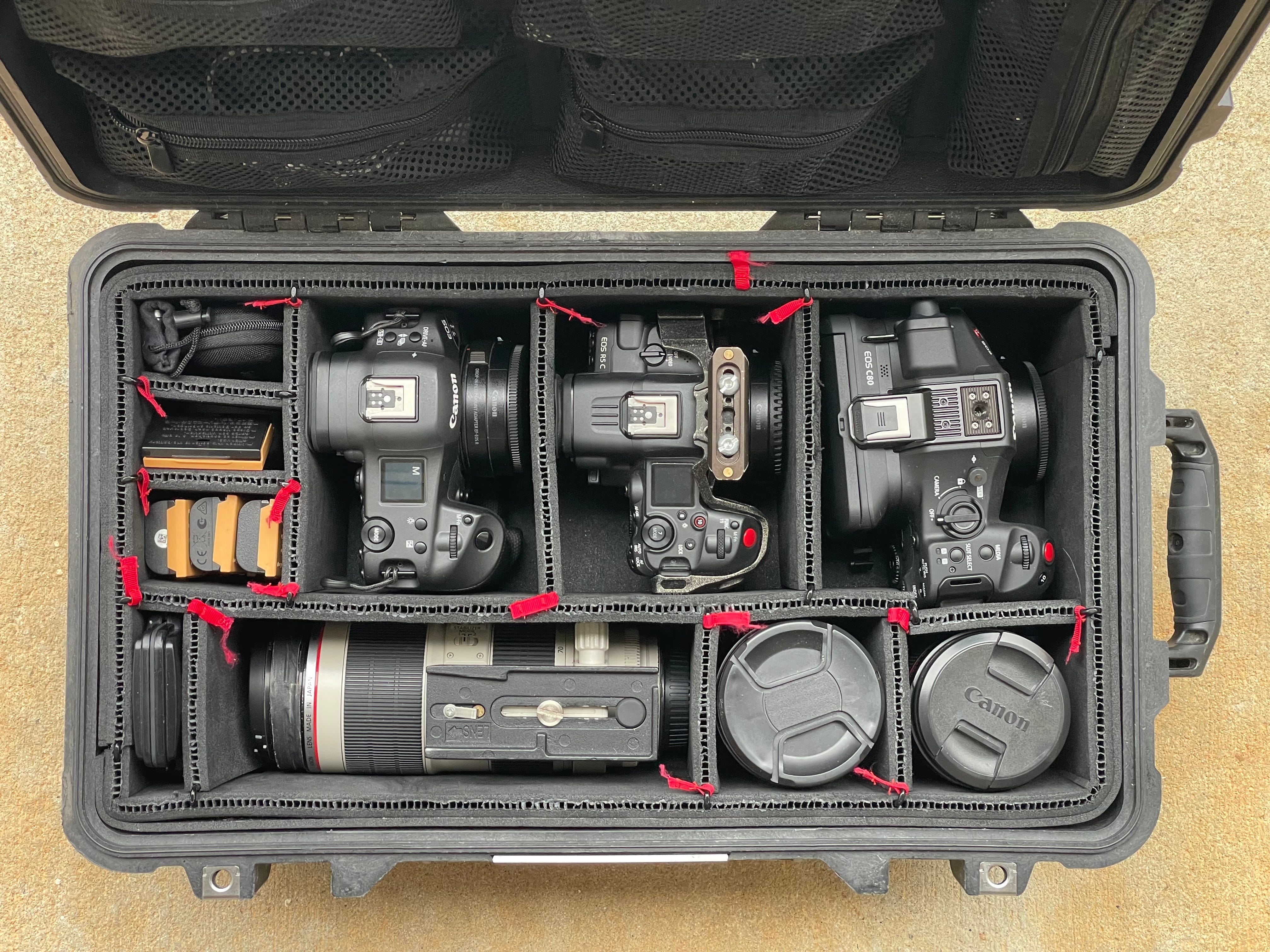
For the first time, I will be going out to a job without a proper 5-series photo camera. It feels a bit strange. I grew up with the 5-series photo cameras, and who knew that I had finally outgrown them. Now, with two Canon Cinema line cameras in my Pelican case, the dawn of a new regime is at hand. I am curious about where they might lead me.
Very interesting article, and that journey feels strangely familiar. I don’t do nearly as much video work as you do, but please keep us posted on the new camera!
Nice setup Rex. Congrats on your new camera!